
A medida que avanzamos en nuestros 40, 50 y 60 años, nuestro cuerpo nos avisa cuando algo necesita atención. Muchos cambios son normales e inofensivos, mientras que otros merecen nuestra atención. El cáncer de colon es una de esas enfermedades en las que detectar los síntomas a tiempo y hablar con el médico puede marcar la diferencia. La buena noticia es clara y alentadora: cuando el cáncer de colon se detecta precozmente, el tratamiento suele ser más sencillo, la recuperación más fácil y el pronóstico excelente.
Si tienes entre 45 y 65 años, es fundamental que te hagas revisiones periódicas y prestes especial atención a cualquier cambio persistente en tu estado de salud. Incluso si te sientes bien, reconocer las señales de alerta más comunes y saber cuándo consultar a tu médico te ayudará a mantener el control de tu salud. Esta guía explica en un lenguaje sencillo a qué debes prestar atención, por qué son importantes estas señales y qué pasos prácticos puedes seguir con confianza.
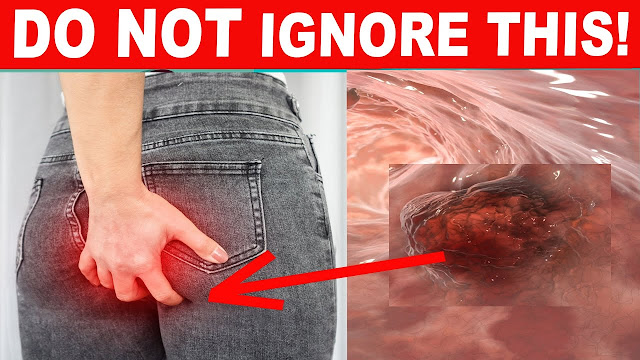
Por qué la detección temprana es más importante que nunca
El cáncer de colon suele comenzar de forma silenciosa. Es posible que al principio no se noten síntomas fuertes, por lo que las revisiones periódicas y la atención a los cambios que se produzcan son fundamentales. Detectar el cáncer de colon a tiempo ofrece más opciones, a menudo implica un tratamiento menos intensivo y mejora considerablemente las probabilidades de una recuperación completa. Esperar hasta que los síntomas sean graves puede complicar el tratamiento innecesariamente.
Considera la detección temprana como un regalo que te haces a ti mismo. Te brinda tranquilidad, te da tiempo para evaluar opciones y te permite, tanto a ti como a tu equipo médico, abordar los problemas antes de que se agraven. Muchas personas sienten alivio tras dar ese primer paso, porque tener respuestas claras siempre es más fácil que intentar adivinar qué está sucediendo.
Cómo suele comenzar el cáncer de colon
La mayoría de los cánceres de colon comienzan como pequeños crecimientos benignos llamados pólipos, que se forman en el revestimiento interno del colon o el recto. Muchos pólipos nunca se vuelven peligrosos, pero con el paso de los años, algunos pueden transformarse lentamente en cáncer. Este desarrollo lento es una ventaja, ya que crea un margen de tiempo para detectar y extirpar los pólipos antes de que causen problemas.
Las pruebas de detección están diseñadas para identificar estos cambios precozmente, a menudo mucho antes de que usted note algo inusual. Por eso, su médico podría recomendarle una prueba de detección incluso cuando se sienta bien. Es una medida sensata y proactiva que ha demostrado salvar vidas.
Señal de alerta 1: Un cambio duradero en tu rutina de baño.
Todos tenemos días malos de vez en cuando, especialmente después de un viaje, un nuevo medicamento o un cambio en la dieta. Lo más preocupante es un cambio que persiste. Si nota diarrea, estreñimiento o heces más blandas, más duras o diferentes a lo habitual durante más de un par de semanas, preste atención.
A lasting shift can be your colon’s way of asking for a closer look. It does not mean you have cancer, but it does mean your doctor should hear about it. Be ready to describe what changed, when it started, and how often it is happening. Clear details help your clinician decide whether simple measures are enough or whether you would benefit from testing.
Warning sign 2: Blood in your stool or rectal bleeding
Seeing blood can be alarming, and it is always worth mentioning to your doctor. Bright red blood on the toilet paper, in the bowl, or on the surface of the stool often comes from the lower part of the intestine. Hemorrhoids or small tears can cause this, but bleeding can also be linked to a polyp or a cancer. Because the source is not always easy to tell on your own, it is wise to get it checked.
Bring it up promptly if the bleeding is new, happens more than once, or comes with other changes like belly discomfort or shifts in your bowel habits. It is far better to get reassurance after a simple exam than to put off a conversation that could lead to early, effective care.
Warning sign 3: Dark, tar-like stools
Black, tarry stools can suggest bleeding higher up in the digestive tract. The longer blood spends moving through the intestines, the darker it can appear, and it may look sticky or have a stronger odor. Certain foods and iron supplements can also darken stools, so consider what you have been eating and taking.
If your stools look tar-like and you have not been taking iron or eating foods known to cause this, call your doctor without delay. This type of bleeding deserves prompt attention so that the cause can be found and treated quickly.
Warning sign 4: Frequent belly pain, cramping, or bloating
Gas and occasional discomfort are common, but pain that keeps returning, changes your routine, or wakes you from sleep should not be ignored. Ongoing cramping, pressure, or a sense of fullness that does not pass can point to irritation or a partial blockage in the bowel.
Notice whether your discomfort pairs with changes in your stool habits, such as constipation or diarrhea, and whether it improves or worsens after meals. Share these details with your clinician. A simple conversation can clarify whether watchful waiting is reasonable or whether testing would be helpful.
Warning sign 5: Unexplained weight loss
Losing weight without trying may sound like a pleasant surprise, but it is not typical and deserves a closer look. When the body is dealing with an illness, appetite can dip and metabolism can shift, leading to weight loss without a clear reason.
If your clothes feel looser and you have not changed your eating or activity, or if the number on the scale keeps dropping from one month to the next, make a note of it. Bring this up at your next visit, or sooner if the change is significant. Unplanned weight loss gives your doctor an important clue and should be checked.
Warning sign 6: Tiredness or weakness that just will not lift
Most of us feel drained after a poor night’s sleep or a busy stretch, but deep, ongoing fatigue is different. Slow, internal bleeding in the colon can lower your red blood cell count, which makes it harder for your body to deliver oxygen efficiently. That can leave you short of breath on small hills, lightheaded when you stand, or dragging through the day despite rest.
If tiredness has quietly become your new normal and you cannot explain why, ask your doctor whether checking your blood counts is a good next step. It is a simple way to look for anemia and can quickly point your care in the right direction.
Warning sign 7: Iron-deficiency anemia found on a blood test
Sometimes the first hint of a problem appears in routine lab results. Iron-deficiency anemia can be caused by blood loss that you do not see. In women who no longer have monthly periods, and in men of any age, unexplained anemia should be evaluated to find the source.
Your clinician may recommend looking at your digestive tract, including the colon, to identify where blood loss is occurring. There are many possible causes, and many are straightforward to treat. The key is not to overlook the colon as a potential source.
Warning sign 8: Narrow or ribbon-like stools
A consistent change in the shape of your stool is worth noting. If stools look thin, pencil-like, or flattened for more than a couple of weeks, it may signal narrowing inside the colon. While occasional variations are normal, a pattern that sticks around should be discussed.
Pay attention to whether narrow stools come with other changes, such as a feeling of not fully emptying or needing to go more urgently. Sharing these patterns helps your doctor decide whether simple measures are enough or whether a closer look is best.
Warning sign 9: Mucus in your stools
Seeing mucus in the stool can be surprising. A small amount may appear with minor irritation, but repeated, visible mucus, especially alongside changes in bowel habits or blood, should be brought to your doctor’s attention.
Mucus can be a sign of inflammation or a blockage. Keep track of how often it happens and whether it comes with bloating, pain, or urgency. These notes give your clinician the information needed to choose the right next step.
Warning sign 10: Nausea or vomiting, especially with bloating
Nausea and vomiting have many possible causes, from a passing virus to side effects of medications. What is more concerning is nausea that does not let up, appears with abdominal swelling, and comes with trouble passing gas or stool.
This combination can point to a blockage that needs urgent care. Trust your instincts. If you feel unwell in a way that is not typical for you, and symptoms are strong or getting worse, seek prompt medical attention rather than waiting it out.
When to call your doctor and when to seek urgent help
If any of these changes last longer than two to three weeks, schedule a visit to talk them over. Do not wait if you see red or black stools, have heavy rectal bleeding, feel faint or dizzy, develop severe belly pain, or are unable to pass gas or stool. Those symptoms call for urgent evaluation the same day.
It is important to remember that many of these symptoms are caused by conditions that are not cancer, such as hemorrhoids, irritable bowel syndrome, or minor infections. The goal is not to alarm you, but to encourage you to check. Getting clear answers brings relief, whether that leads to simple treatment for a minor issue or an early, effective plan for something more serious.
Screening saves lives, even when you feel fine
Screening is designed to find colon cancer before it causes symptoms, when treatment works best. For most adults, screening begins at age 45. If colon cancer or certain types of polyps run in your family, or if you have long-standing inflammatory bowel disease, your doctor may suggest starting earlier.
There are several good ways to screen. Some tests are done at home and look for hidden blood in the stool. Others allow a clinician to see inside the colon. Your healthcare provider can help you choose the option that fits your health, your preferences, and your schedule. The most important step is simply to get started and to repeat screening on the timeline recommended for you.
What a colonoscopy is really like
Many people delay a colonoscopy because they worry about the preparation or the exam itself. Knowing what to expect can ease those worries. The day before, you follow clear instructions to clean out the bowel so the doctor has a good view. During the procedure, most people are comfortably sedated and do not feel or remember it.
If a polyp is found, it can often be removed during the same visit, which prevents it from turning into cancer later. The risks are low, and the benefit of finding and fixing problems early is high. Most people say the relief they feel afterward, knowing they have taken care of an important health task, is well worth the effort.
Getting ready for your appointment
Before you speak with your doctor, jot down what you have noticed. Note when your symptoms started, how often they happen, what makes them better or worse, and any recent changes in diet, medicines, or stress. Bring a list of your current prescriptions and supplements so your clinician has the full picture.
If you have a family history of colon cancer or polyps, write down who was affected and at what age. These details help your clinician decide which tests make sense and give you the most accurate guidance from the start.
Simple habits that support a healthy colon
Las pruebas de detección son la forma más eficaz de reducir el riesgo de morir de cáncer de colon, pero las elecciones diarias también son importantes. Procure consumir alimentos que incluyan frutas, verduras, cereales integrales y legumbres. Estos alimentos aportan fibra, que ayuda a mantener una digestión regular y cómoda. Beber suficiente agua para que la orina sea de color amarillo pálido también favorece una digestión saludable.
Hacer ejercicio suave la mayoría de los días de la semana marca una gran diferencia. Una caminata diaria, un poco de jardinería o una breve rutina en casa pueden ayudar a mantener el tránsito intestinal regular y a conservar un peso saludable. Si consume tabaco, consulte con su médico sobre las herramientas y el apoyo que necesita para dejar de fumar. Si bebe alcohol, es recomendable moderar su consumo a largo plazo.
Los pequeños pasos constantes suman. No tienes que cambiarlo todo de golpe. Elige uno o dos hábitos en los que centrarte este mes y ve avanzando poco a poco. Tu colon y tu bienestar general se beneficiarán.
Mitos comunes, corregidos con delicadeza.
Es un mito que el cáncer de colon afecte principalmente a los hombres o solo a personas mayores de 65 años. Las mujeres también pueden verse afectadas, y el riesgo comienza a aumentar en la mediana edad. Por eso, las pruebas de detección sistemáticas ahora comienzan a los 45 años para muchos adultos. Otra idea errónea es que si uno se siente bien, puede saltarse las pruebas. En realidad, las pruebas de detección están pensadas para personas asintomáticas, ya que la enfermedad en sus primeras etapas suele ser silenciosa.
También es común suponer que el sangrado rectal siempre se debe a las hemorroides. Si bien las hemorroides son una causa frecuente, otras afecciones, como los pólipos y el cáncer, pueden provocar sangrados similares. Lo más seguro es consultar con un médico en lugar de hacer suposiciones, para que pueda proceder con tranquilidad.
Una palabra final tranquilizadora
Estar informado empodera, no asusta. Prestar atención a tu cuerpo, compartir los cambios persistentes con tu equipo médico y mantenerte al día con las pruebas de detección son medidas prácticas y preventivas. La mayoría de los síntomas preocupantes tienen explicaciones más sencillas, y si se detecta algo más grave, su detección temprana abre la puerta a un tratamiento eficaz y mejores resultados.
Si alguna de las señales de alerta descritas aquí le resulta familiar, considere hablar con su médico. No está exagerando al hacer preguntas. Está cuidando de su salud, y esa siempre es la decisión correcta.
Nhận xét
Đăng nhận xét